
Introduction
Car insurance is an essential part of responsible vehicle ownership. Whether you are a new driver or someone who has been driving for years, understanding how car insurance works can help you make better financial decisions and avoid unexpected expenses.
Many people purchase insurance because it is required by law, but they often do not fully understand what they are paying for or how it actually protects them. This lack of understanding can lead to confusion during accidents or when filing claims.
In this guide, we will explain car insurance in simple and clear language. You will learn how it works, the different types of coverage, important terms, and practical tips to help you choose the right policy for your needs.
What is Car Insurance?
Car insurance is a legal and financial agreement between a vehicle owner and an insurance company. Under this agreement, the vehicle owner pays a fixed amount, known as a premium, and in return, the insurance company agrees to cover certain financial losses related to the vehicle.
These losses may include damage from accidents, theft, natural disasters, or injuries caused to others. The exact coverage depends on the type of policy chosen.
In simple terms, car insurance helps reduce the financial burden when something unexpected happens to your vehicle or due to your vehicle.
Why Car Insurance is Important
Car insurance is important for several reasons beyond just legal requirements.
First, it provides financial protection. Repairing or replacing a vehicle can be expensive, especially after a serious accident. Insurance helps cover these costs so that you do not have to pay everything out of pocket.
Second, it offers liability protection. If you are responsible for an accident that causes injury or damage to another person or their property, insurance can cover those expenses.
Third, it gives peace of mind. Knowing that you are protected allows you to drive with more confidence and less stress.
How Car Insurance Works
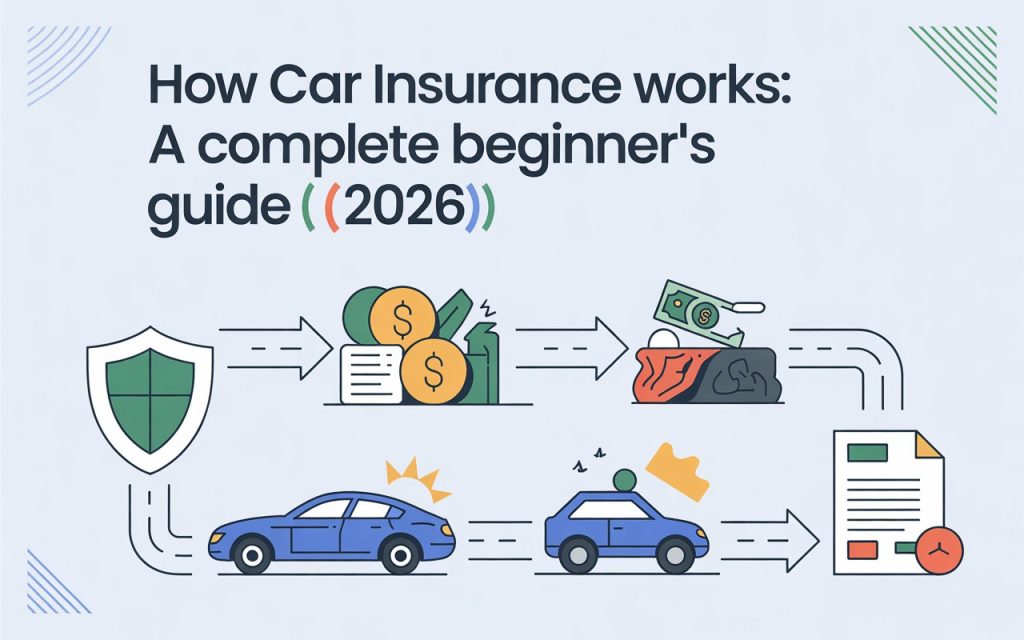
Car insurance operates on a principle known as risk sharing. Many people pay premiums into a common pool, and when someone experiences a loss, the insurance company uses those funds to cover the damages.
Here is how the process generally works:
- You purchase a car insurance policy and agree to its terms
- You pay a premium either monthly or annually
- If an accident or covered event occurs, you report it to the insurance company
- The company reviews your claim and verifies the details
- If the claim is approved, they pay for the covered damages according to your policy
Example Scenario
Imagine your car is involved in an accident and the repair cost is significant. Instead of paying the full amount yourself, your insurance company covers most of the cost, depending on your deductible and coverage limits.
This system helps individuals avoid large financial losses.
Types of Car Insurance Coverage
Understanding different types of coverage is essential when choosing a policy. Each type serves a specific purpose.
1. Liability Insurance
Liability insurance covers damage or injuries that you cause to others in an accident. It is considered the most basic and essential type of coverage.
It usually includes:
- Bodily injury liability
- Property damage liability
This type of insurance does not cover your own vehicle.
2. Collision Coverage
Collision coverage pays for damage to your own vehicle caused by a collision, regardless of who is at fault. This includes accidents with other vehicles or objects such as walls or poles.
3. Comprehensive Coverage
Comprehensive insurance covers damage caused by events other than collisions. These may include:
- Theft
- Fire
- Floods or storms
- Vandalism
- Falling objects
This type of coverage is useful for protecting against unpredictable situations.
4. Personal Injury Protection (PIP)
Personal Injury Protection helps cover medical expenses for you and your passengers after an accident. In some cases, it may also cover lost income due to injuries.
5. Uninsured and Underinsured Motorist Coverage
This coverage protects you if you are involved in an accident with a driver who either has no insurance or does not have enough coverage to pay for the damages.
Key Insurance Terms Explained
Understanding common insurance terms can make it easier to read and compare policies.
Premium
The premium is the amount you pay for your insurance policy. It can be paid monthly, quarterly, or annually.
Deductible
A deductible is the amount you agree to pay out of pocket before the insurance company pays the rest.
For example, if your deductible is $500 and the repair cost is $2000, you will pay $500 and the insurance company will cover the remaining amount.
Claim
A claim is a formal request made to the insurance company asking for payment after a loss or damage.
Policy Limit
The policy limit is the maximum amount the insurance company will pay for a covered claim.
Factors That Affect Car Insurance Premium
Insurance companies consider several factors when determining your premium. These factors help them assess risk.
1. Driving History
Drivers with a clean record usually pay lower premiums, while those with accidents or traffic violations may pay more.
2. Age and Experience
Younger and less experienced drivers often face higher premiums due to higher risk.
3. Vehicle Type
Expensive or high-performance vehicles generally cost more to insure because repairs and replacements are more costly.
4. Location
Where you live also affects your premium. Areas with high traffic or crime rates may lead to higher costs.
5. Coverage Level
The more coverage you choose, the higher your premium is likely to be.
Pros and Cons of Car Insurance
Advantages
- Provides financial protection against unexpected losses
- Helps cover expensive repairs
- Offers liability coverage for damages to others
- Required by law in many regions
Disadvantages
- Requires regular payments
- Some claims may take time to process
- Not all situations are covered under every policy
Tips to Choose the Right Car Insurance
Choosing the right insurance policy requires careful consideration.
- Compare different policies before making a decision
- Understand what each policy covers and excludes
- Select a deductible that fits your budget
- Avoid unnecessary add-ons
- Read all terms and conditions carefully
Taking time to research can help you avoid future problems.
Common Mistakes to Avoid
Many people make avoidable mistakes when buying insurance.
- Choosing the cheapest policy without understanding coverage
- Ignoring important policy details
- Not updating the policy after major life changes
- Failing to compare multiple options
Being informed can help you make better decisions.
Frequently Asked Questions (FAQs)
Is car insurance mandatory?
In many countries, at least basic liability insurance is required by law.
Can I reduce my insurance premium?
Yes, maintaining a clean driving record, choosing a higher deductible, and comparing policies can help lower your premium.
Does insurance cover all types of damage?
No, coverage depends on the type of policy. It is important to review the details carefully.
What should I do after an accident?
You should ensure safety first, report the incident to the authorities if required, and inform your insurance company as soon as possible.
Conclusion
Car insurance plays a crucial role in protecting vehicle owners from financial risks. By understanding how it works, the types of coverage available, and the factors that influence premiums, you can make informed decisions that suit your needs.
Instead of viewing insurance as just another expense, it should be seen as a form of financial security. Taking the time to learn about your options and choosing the right policy can help you avoid unnecessary stress and financial burden in the future.
Disclaimer
This article is intended for informational purposes only and does not constitute financial, legal, or professional advice. Always consult a qualified insurance expert or advisor before making any decisions related to insurance policies.

Hasnain Raza is a dedicated insurance researcher and content writer with a strong passion for helping people make informed financial decisions. With deep knowledge of health insurance, auto insurance, and business insurance, he creates clear, accurate, and up-to-date guides for readers in Pakistan and the United States. Through SKHFA.com, Hasnain aims to simplify complex insurance topics so that individuals can protect their finances and choose the right coverage. This website is for educational and informational purposes only. Readers are advised to consult a licensed insurance professional before making any financial or insurance decisions.