Introduction
If you are new to insurance, terms like “premium,” “coverage,” and “deductible” can feel confusing. One of the most important terms to understand is the deductible because it directly affects how much money you pay when something goes wrong.
Many people buy insurance without fully understanding how deductibles work. Later, when they need to make a claim, they are surprised by how much they have to pay out of their own pocket.
In this guide, you will learn what a deductible is, how it works, why it exists, and how to choose the right one for your needs. Everything is explained in simple and easy English so anyone can understand.
What Is a Deductible?
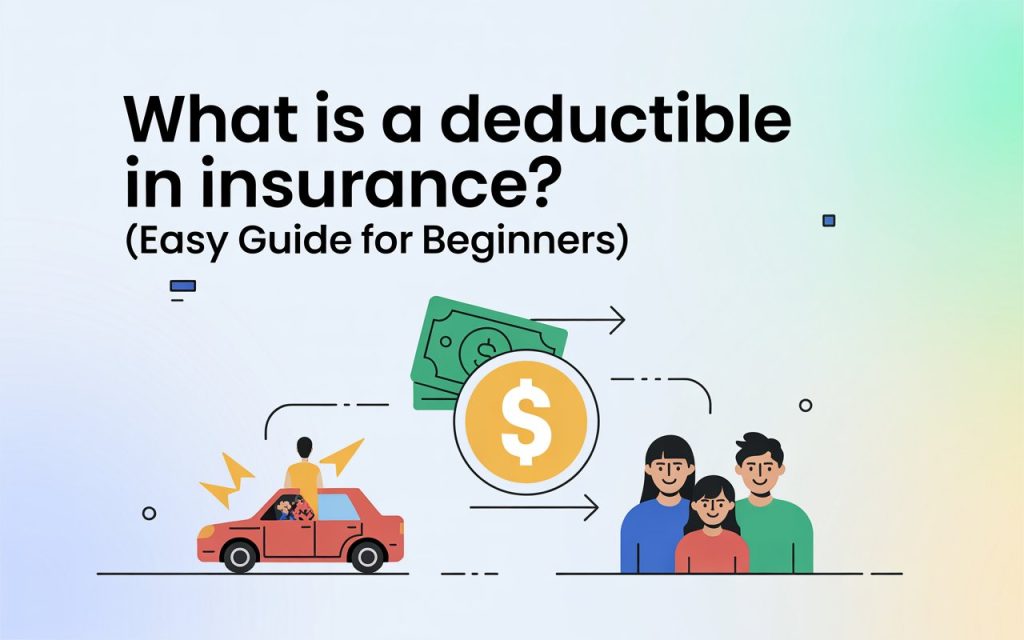
A deductible is the amount of money you must pay yourself before your insurance company starts paying for a claim.
In simple words:
- You pay a part of the cost
- The insurance company pays the rest
This amount is already decided when you purchase your insurance policy.
Simple Example to Understand
Let’s say you have car insurance and your deductible is $500.
If your car is damaged in an accident and the total repair cost is $2,000:
- You will pay $500
- Your insurance company will pay $1,500
So, the deductible is your share of the cost.
How Deductibles Work
Whenever you make a claim, the deductible is applied first. This means the insurance company will subtract the deductible amount from the total claim before paying you.
For example:
If your claim is $1,000 and your deductible is $300:
- Insurance will pay $700
- You will pay $300
If the total damage is less than your deductible, then you will have to pay the full amount yourself.
Why Do Insurance Companies Use Deductibles?
Deductibles are not just random charges. They exist for important reasons.
1. To Prevent Small Claims
If there were no deductibles, people might claim insurance for very small issues. This would increase costs for everyone.
2. To Keep Premiums Lower
When you agree to pay a deductible, the insurance company takes less risk. Because of this, they charge you a lower premium.
3. To Encourage Responsibility
When people know they have to pay some amount themselves, they become more careful. For example, safer driving reduces accidents.
Types of Deductibles
Different insurance policies may use different types of deductibles. Here are the most common ones:
1. Fixed Deductible
This is the most common type. It is a fixed amount you pay for every claim.
Example: $500 or $1,000
2. Percentage Deductible
In this type, the deductible is based on a percentage of the total value of the insured item.
Example: 2% of your car value
If your car is worth $10,000:
Deductible = $200
3. Voluntary Deductible
This is an extra amount you choose to pay to reduce your premium.
- Higher voluntary deductible → Lower premium
- Lower voluntary deductible → Higher premium
4. Compulsory Deductible
This is set by the insurance company and must be paid for every claim.
You cannot change this amount.
Deductible vs Premium
Many beginners confuse deductible with premium, but they are different.
Premium
This is the amount you pay regularly (monthly or yearly) to keep your insurance active.
Deductible
This is the amount you pay when you make a claim.
Relationship Between Them
There is a simple rule:
- High deductible = Low premium
- Low deductible = High premium
This means you can adjust your costs based on your financial situation.
How to Choose the Right Deductible
Choosing the right deductible is very important. Here are some factors to consider:
1. Your Budget
If you can afford to pay a higher amount during a claim, you can choose a higher deductible and save money on premiums.
2. Emergency Savings
If you have savings, a higher deductible can be a smart choice. If not, a lower deductible is safer.
3. Risk Level
If you want peace of mind and less financial stress during accidents, choose a lower deductible.
4. Usage and Lifestyle
For example:
- If you drive daily → Higher risk → Lower deductible
- If you drive rarely → Lower risk → Higher deductible
Advantages of Deductibles
Deductibles offer several benefits:
- Lower insurance premiums
- Encourages careful behavior
- Reduces unnecessary claims
- Helps maintain affordable insurance for everyone
Disadvantages of Deductibles
There are also some drawbacks:
- You must pay out-of-pocket during claims
- High deductibles can be stressful in emergencies
- Not suitable for people with limited savings
Common Mistakes to Avoid
Many people make mistakes when choosing a deductible. Avoid these:
Choosing a Very High Deductible
If you cannot afford it, this can cause serious financial problems.
Not Reading Policy Details
Always understand what your deductible covers and when it applies.
Only Thinking About Premium
A low premium may look attractive, but it often comes with a high deductible.
Ignoring Your Financial Situation
Choose a deductible that matches your income and savings.
Real-Life Example
Let’s take a real-life situation:
Ali buys car insurance with a $1,000 deductible because he wants a lower premium.
Later, his car gets damaged, and the repair cost is $1,200.
- Ali pays $1,000
- Insurance pays only $200
In this case, a high deductible did not help much. This shows why balance is important.
Frequently Asked Questions (FAQs)
What happens if I cannot pay my deductible?
If you cannot pay the deductible, your claim may not be processed properly. Always choose an amount you can afford.
Is deductible applied every time?
Yes, in most cases, it applies to each claim.
Can I change my deductible later?
Some insurance companies allow changes at renewal time.
Is a higher deductible always better?
No. It depends on your financial condition and risk level.
Final Thoughts
A deductible is a simple but very important part of any insurance policy. It decides how much you will pay when something goes wrong.
Understanding deductibles helps you avoid surprises and make better financial decisions. Always choose a balance between premium and deductible that fits your budget and lifestyle.
Insurance is meant to protect you, not create stress. So take your time, understand your options, and choose wisely.
Disclaimer
This article is for informational purposes only. It does not provide financial or professional advice. Always consult an insurance expert before making any decisions.

Hasnain Raza is a dedicated insurance researcher and content writer with a strong passion for helping people make informed financial decisions. With deep knowledge of health insurance, auto insurance, and business insurance, he creates clear, accurate, and up-to-date guides for readers in Pakistan and the United States. Through SKHFA.com, Hasnain aims to simplify complex insurance topics so that individuals can protect their finances and choose the right coverage. This website is for educational and informational purposes only. Readers are advised to consult a licensed insurance professional before making any financial or insurance decisions.